
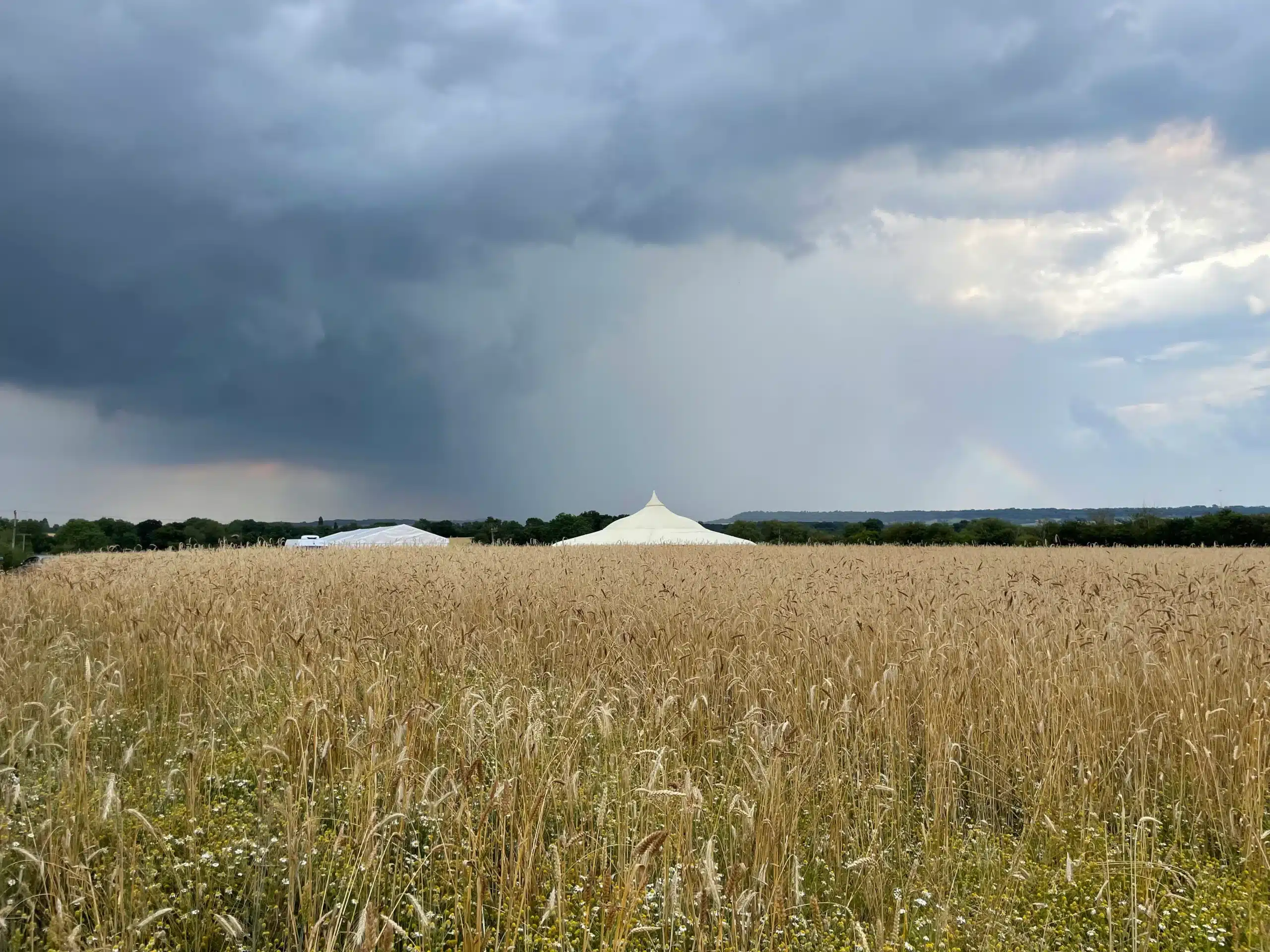
This month, we’re hosting an online tasting with Cooper King Distillery*, exploring their “Cask Series” drams (plus an extra something rather special). But I wanted to take the opportunity to dive into one (crucial) aspect of their brand – and that of many other English Whisky distilleries – in this month’s musings. Sustainability.
A much vaunted buzz-word, sustainability in whisky comes in all shapes, sizes and approaches, but it’s something that many (if not most) English distilleries are particularly vocal about. As such, we wanted to explore what distilleries are doing across England to make their products and businesses more sustainable – and help you navigate a sea of jargon, claims and certifications to help simplify what it all means.
If you care as much about how what’s in your bottle is made as you do what it tastes like, then read on – and if not, read on anyway and you may be pleasantly surprised how much sustainability plays a role in the flavour of your dram.
Note: Sustainability isn’t a straight forward issue as all products have a carbon footprint by default and any claims regarding carbon neutrality (or negativity) need to be properly scrutinised and considered in the wider context – but we’ll save that for the experts and here focus on what distilleries are doing, not what they aren’t (or indeed whether these actions warrant greater scrutiny themselves).
In The Beginning
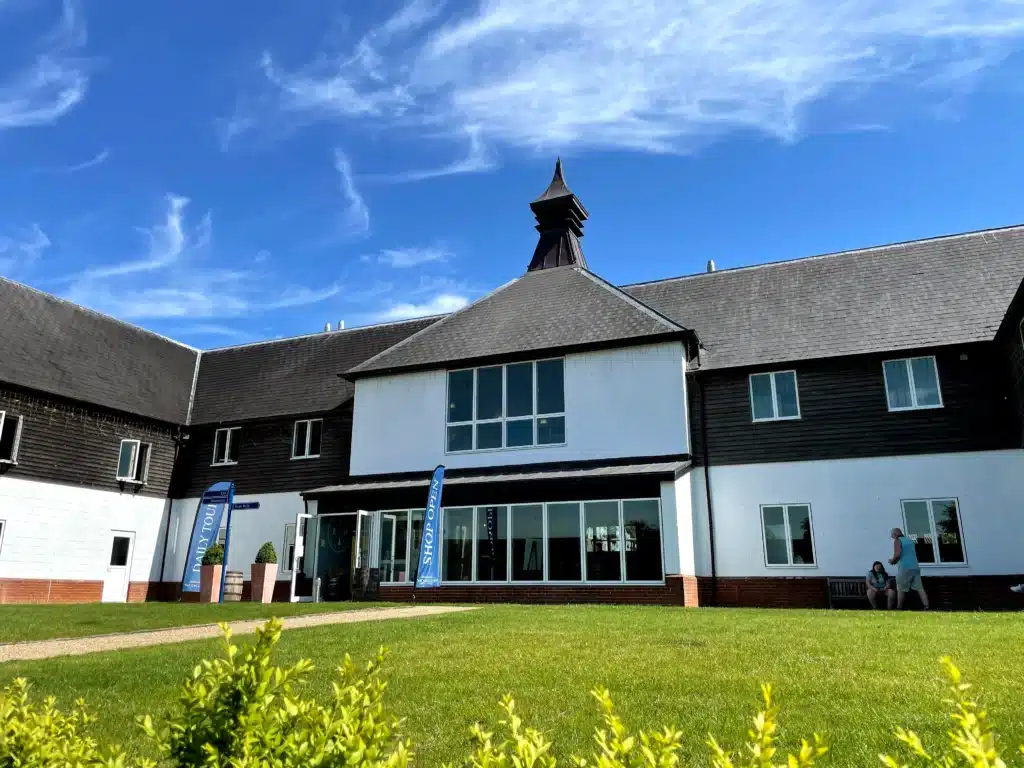
When The English Distillery was founded in Norfolk in 2006, the Nelstrop family took specific steps to ensure their product had as few ‘food miles’ as possible, and that their facility was as waste-free as could be. Their grain is mostly sourced from Norfolk and Lincolnshire and malted at Crisps Maltings in Norfolk – keeping the miles travelled for raw ingredients as low as possible – at the same time as supporting local farming and malting businesses and tying their product into the local agricultural landscape and (dare we say it) – terroir.
But this isn’t all, the distillery sits atop an aquifer which, through their own borehole, they draw water from into their closed-loop system which reduces groundwater use by 94% (the cooled water, untainted, is returned to the aquifer below). They also use solar for a large part of their energy needs, return their used grains and liquids to local farms for feed / fertilizer and grow willow trees on-site (used to make cricket bats when mature) to capture and slow rain run-off, reduce flooding and increase biodiversity at the site.
I strongly urge you to take a walk through the on-site woodland next time you visit (ideally with a dram or hipflask in hand) to fully appreciate the scale of the efforts taking place there.
“This is a subject I am always quite tentative about as I think there are two very different “Sustainable” actions any business needs to consider and in my view environmental sustainability comes second place to economic sustainability. I firmly believe that any business must have a long term economic sustainability plan in place as a matter of total importance. There is little point in making environmental plans if the business isn’t here to implement them. The English Whisky Co. has ensured that the business is built on long termism; planning 50 years in advance and hopefully making it viable for generations to come. Assuming we continue to pull that off, then the environmental impact of the distillery can also continue to be minimised.
Distilling is not a green industry; each & every distillery (contrary to some marketing claims) has a heavy carbon footprint that I believe means, until the advent of Hydrogen, no distillery can be truly carbon neutral. They can minimise their carbon footprint by implementing good modern equipment and practices primarily and secondarily, temporary offsetting can happen by paying someone to plant trees on your behalf either here in England or abroad; I say temporary because one day those trees will almost certainly be harvested, resulting in the carbon probably being released!” – Andrew Nelstrop, Managing Director
Back of the Net
With talk in the media of ‘Net Zero’ many businesses aim to decrease, or fully negate their energy usage. Cooper King Distillery makes the boldest claim of any English Distillery in this regard, claiming to make ‘England’s first net zero energy whisy’ – but what does this mean?
Not content with being on a green tariff, Cooper King recently installed a massive solar farm to power their distillery. As well as this, the still is coated in a heat-deflecting paint (used by NASA on spacecraft re-entry modules) which stops heat-loss and lowers energy requirements for distillation. Their bottles are made of lightweight recycled glass, the stoppers are wood and the seal is made from a sugar cane based bio-plastic. They have a ‘zero waste to landfill’ policy meaning everything is reused, recycled or composted – with a small amount of unusable waste sent to a ‘waster-to-power’ facility 17 miles away to generate energy for local residents.
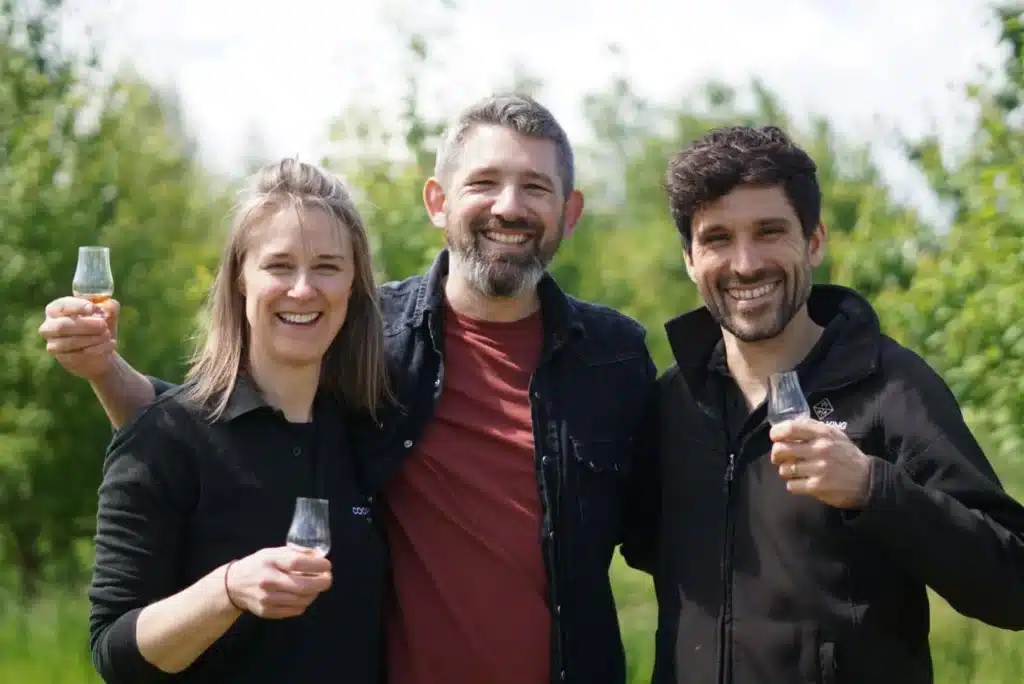
On top of this, they donate at least 1% of their turnover every year to the Yorkshire Dales Millennium Trust to fund rural apprenticeships, plant managed, native woodlands and restore wildflower meadows (all within England), including on the distillery site (which is a dreamy place to enjoy a dram in the sunshine when you’re there).
With an annual report, you can read about their efforts and judge for yourself how they’re doing, but having built the distillery as a sustainable venture from the outset, they’re definitely proof that cementing sustainability into the heart of your business from the start pays dividends down the line – and potentially helps you navigate choppy financial waters more successfully due to the self-reliant eco-system you’ve built. They have even been invited to speak to Members of European Parliament, at distilling expos and to universities about the impactful work they’re doing.
“Sustainability has been part of our journey from the beginning. As we fell in love with whisky making in Tasmania, we also saw the devastating impact of wildfires on this pristine island.
When we returned to England to build our distillery, we knew just avoiding harm wasn’t enough – so we set out to do good. We’re always asking: what opportunities are there to learn, improve, lead, and share?
Love of whisky and love of planet are intrinsically linked for us.” Abbie & Chris, Cooper King distillery Founders
Plan ‘B’
Another term you may see on bottles and websites and read about in press releases is ‘B Corp’. No, this isn’t the reserve team for the sustainability militia – it’s a sustainability certification from B Labs. B Corp Certification is unique because it measures a company’s entire social and environmental performance. From supply chain and input materials to charitable giving and employee benefits, B Corp Certification verifies that a business is meeting high standards of social and environmental performance, transparency, and accountability.
Witchmark distillery in Wiltshire recently achieved the highest B Corp score of any distillery in England (at the time of writing): 124.4. Built on regenerative farming, powered by bio-LPG — and soon, a solar array — they’re committed to a future of low-impact distilling.
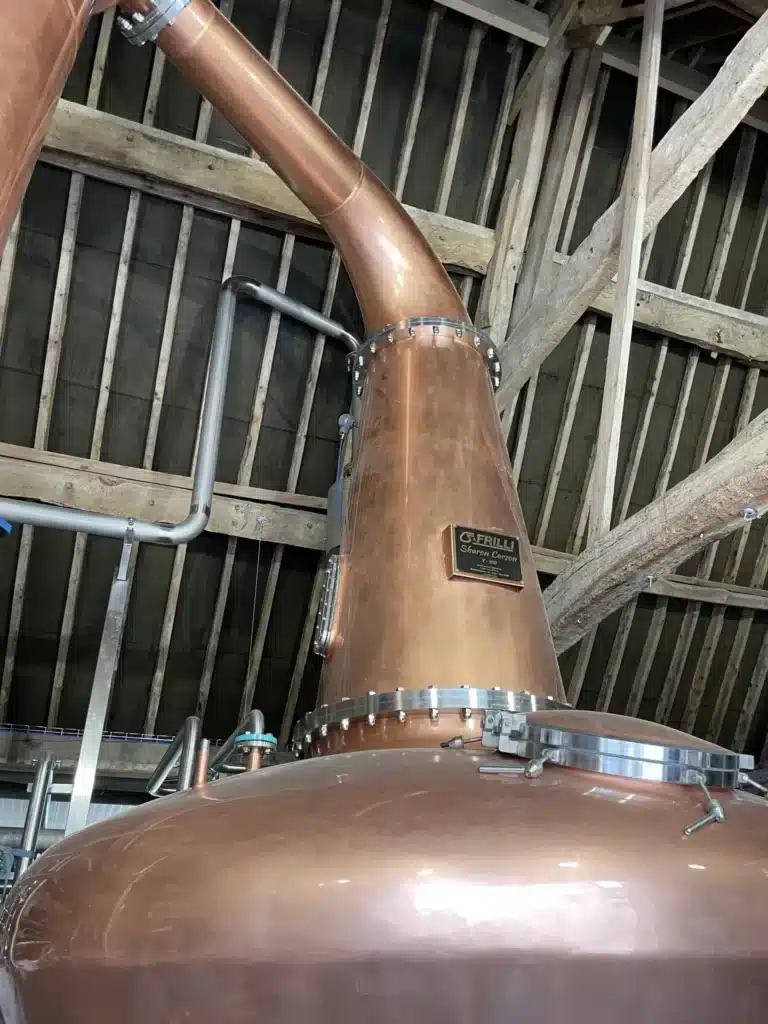
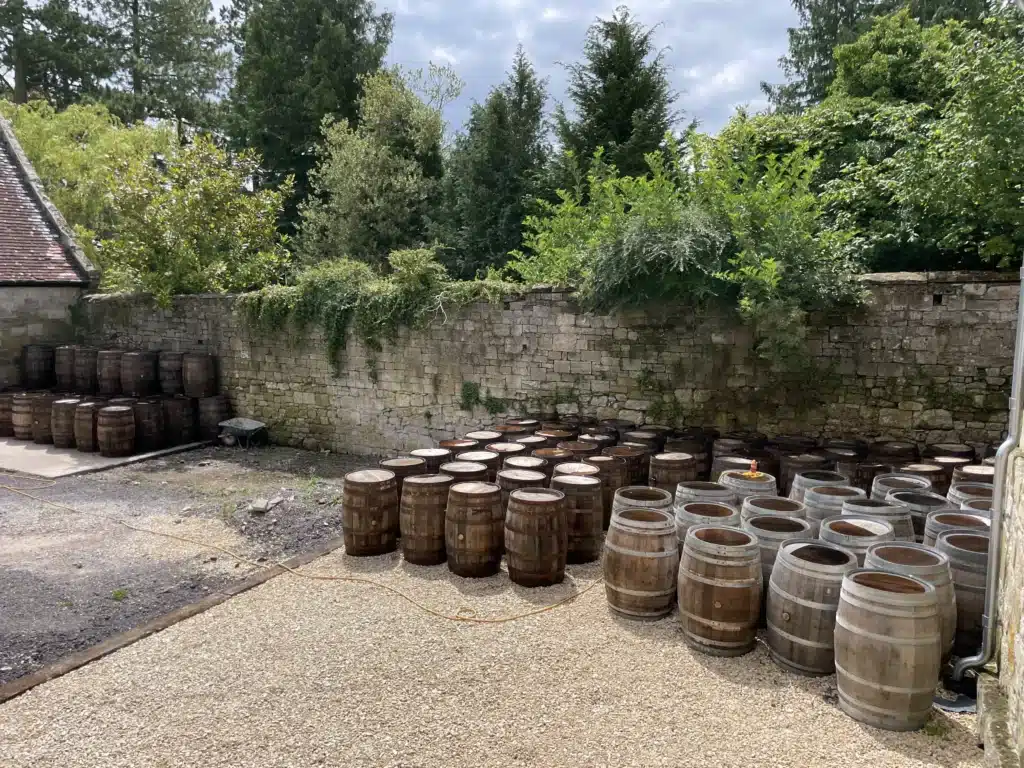
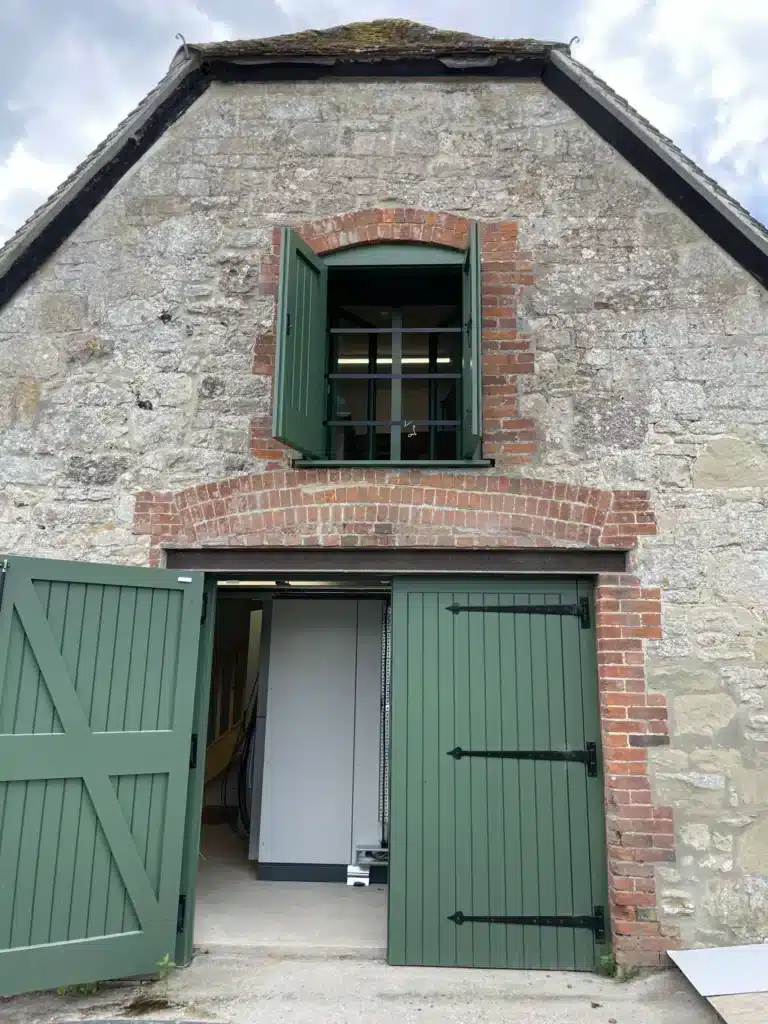
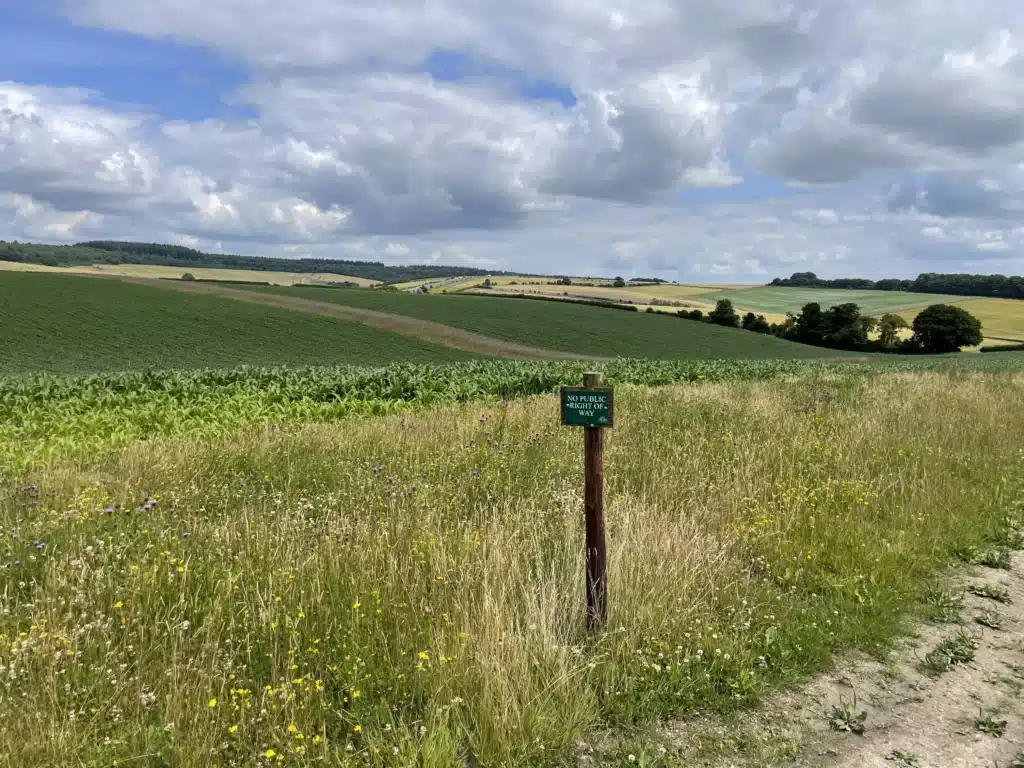
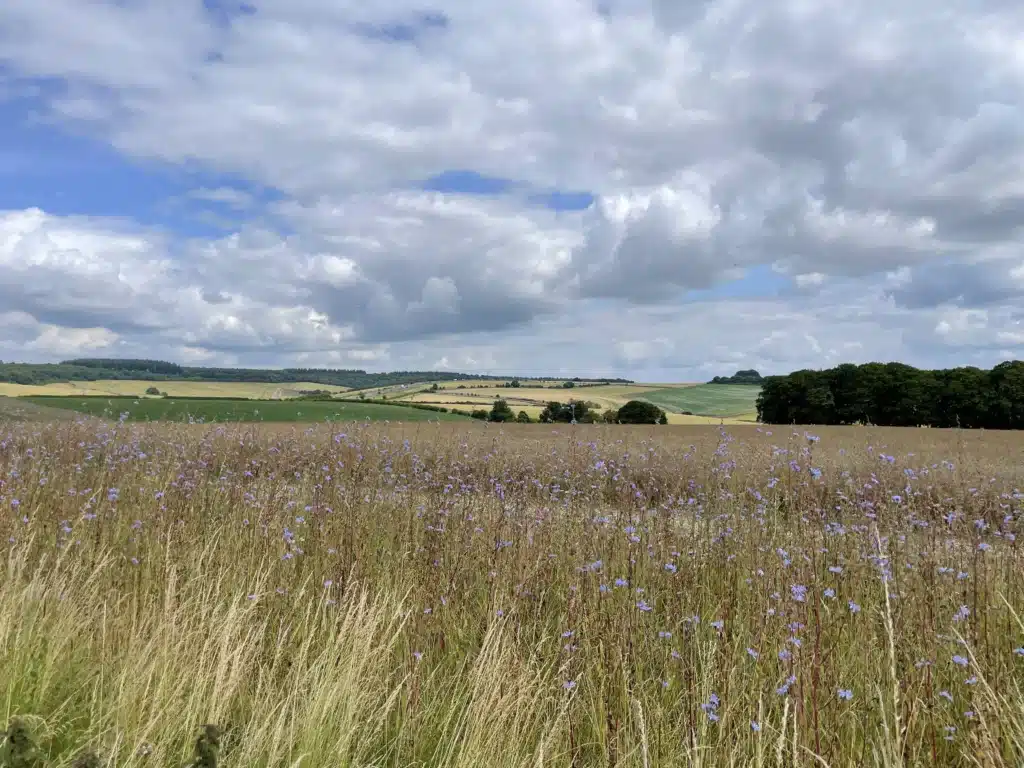
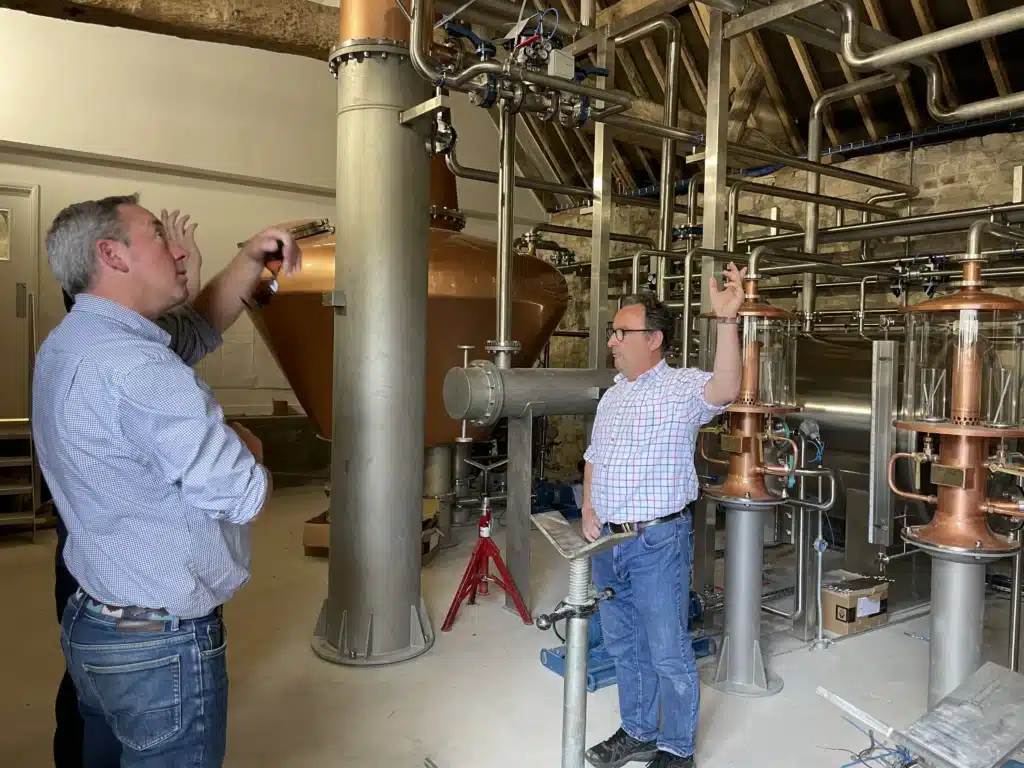
Witchmark was founded with sustainability at its core. They source water from an on-site, chalk-filtered aquifer, craft every spirit from heritage grain, grown regeneratively right there on the Fonthill Estate, distill using heat recovery systems, and their bottle is 100% recycled glass. Spent grains and pot ale are sent to a local anaerobic digester to generate renewable energy.
“This certification recognises more than process; it celebrates purpose. We’re proud to lead by example and excited for what comes next.” Jon Carson, Co-Founder
Another B Corp member is Ellers Farm Distillery in Yorkshire. Their core product, Dutch Barn Vodka is itself made from apples, many of which would otherwise go to waste – but to ensure a sustainable supply, they’ve planted 360 trees on site to harvest long into the future and further reduce ‘food miles’. Their wash comes from Theakston’s Brewery, so I don’t have any data about their sustainability initiatives, but when back on site at the distillery, all processes are designed to minimise energy usage (they were certified carbon neutral last year) and actions such as recycled glass bottles and planting trees (from before the distillery was even constructed) to offset unavoidable emissions.
Heritage Grains
Fielden (the artist formerly known as The Oxford Artisan Distillery) are massively championing regenerative farming – determined to bring England’s fields back to life with diverse grains that thrive without chemicals. For them, that means no artificial agrichemicals; no herbicides, no pesticides, no fungicides, no fertilisers. There’s no need for chemicals because they’re working with nature, and not against it. It’s a more sustainable way of farming that’s better for the soil, the water, the wildlife, and the planet. They claim it’s better for their whisky, too, which is full of flavour derived from the ground, the grains and the lack of commercial processes throughout.
Their journey started when one of their co-founders, John Letts was re-thatching a property and was astonished at the variety of grains (and non grain material) in the old thatch compared with the single variety grain it was being replaced with. He started experimenting with growing those heritage grain varieties and eventually found a willing partner looking to start a distillery who was willing to use these lower-yield (but greater flavour) grain varieties to make rye whiskies.
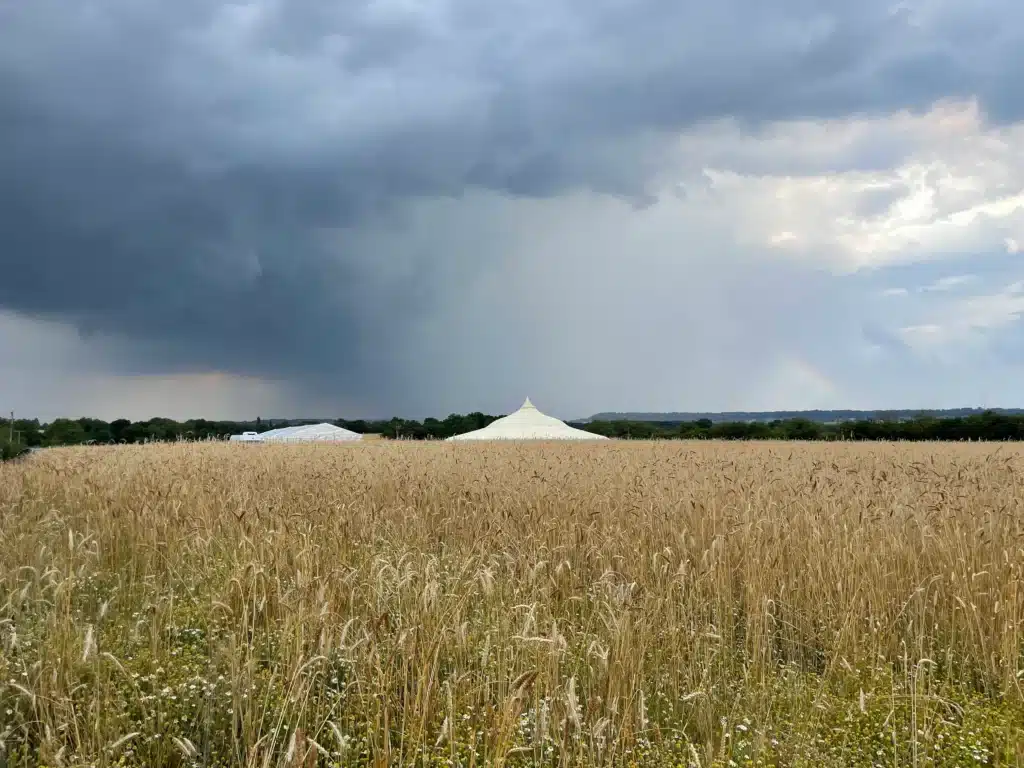
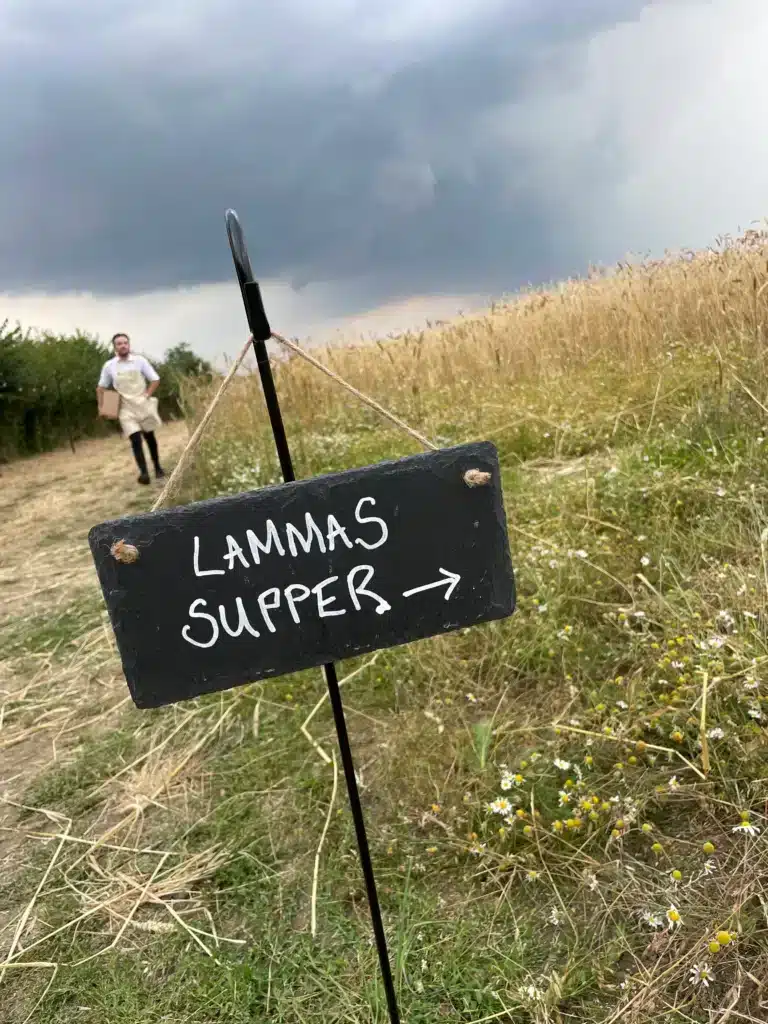
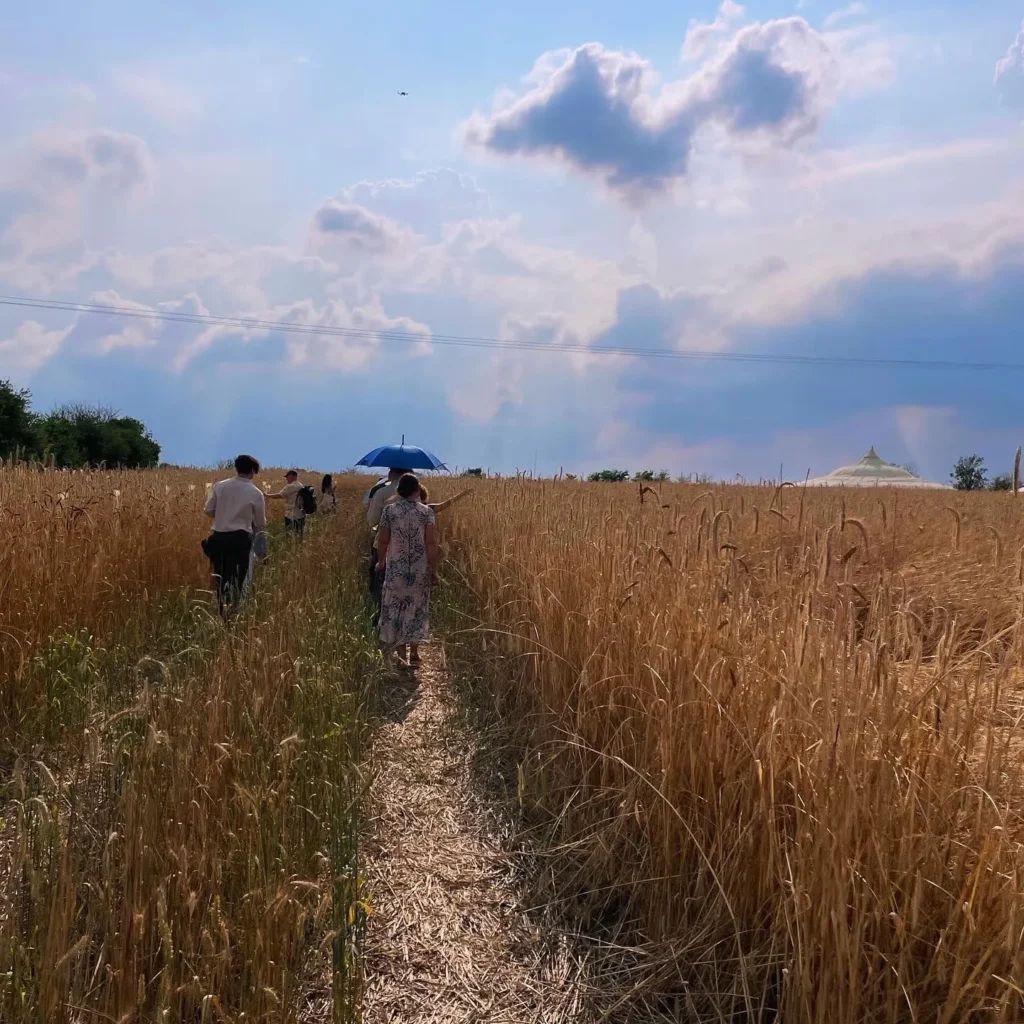
David Smith, CEO of Fielden Whisky: “We take great pride in being at the forefront of the farming conversation within the whisky industry, which shapes our sustainability strategy and all that we do. As a ‘nomadic’ whisky, we see our home as being in the fields rather than a specific distillery site. We always apply our ‘No Chem Regen’ approach – regenerative farming, without the use of chemicals. Our farmers employ nature-first, sustainable techniques such as planting grain in clover. This protects the soil and naturally nurtures our crops, replacing the need for chemical intervention. This way our grains thrive and yield maximum flavour for our rye whisky.
Our approach currently extends across more than 1,400 acres in the UK, where we work closely with a network of farmers who prioritise soil health and biodiversity.
By supporting regenerative practices, we’re not only helping to preserve the land for future generations, but also enhancing the whisky experience for consumers who are eager to learn about the origins of what’s in their glass.”
Mushroom for Improvement
Sustainability comes in many shapes and sizes – including, it turns out, mushroom shaped!
“The Foundry” whisky is produced by Canterbury Brewers & Distillers – a multifaceted brewpub in the heart of Canterbury founded by Jon and Jodie Mills. Where many distilleries send their spent grains to local farms for cattle feed, Jon and Jodie hit upon an even better idea that took waste from one of their products and used it to create a whole new ingredient for their pub kitchen.
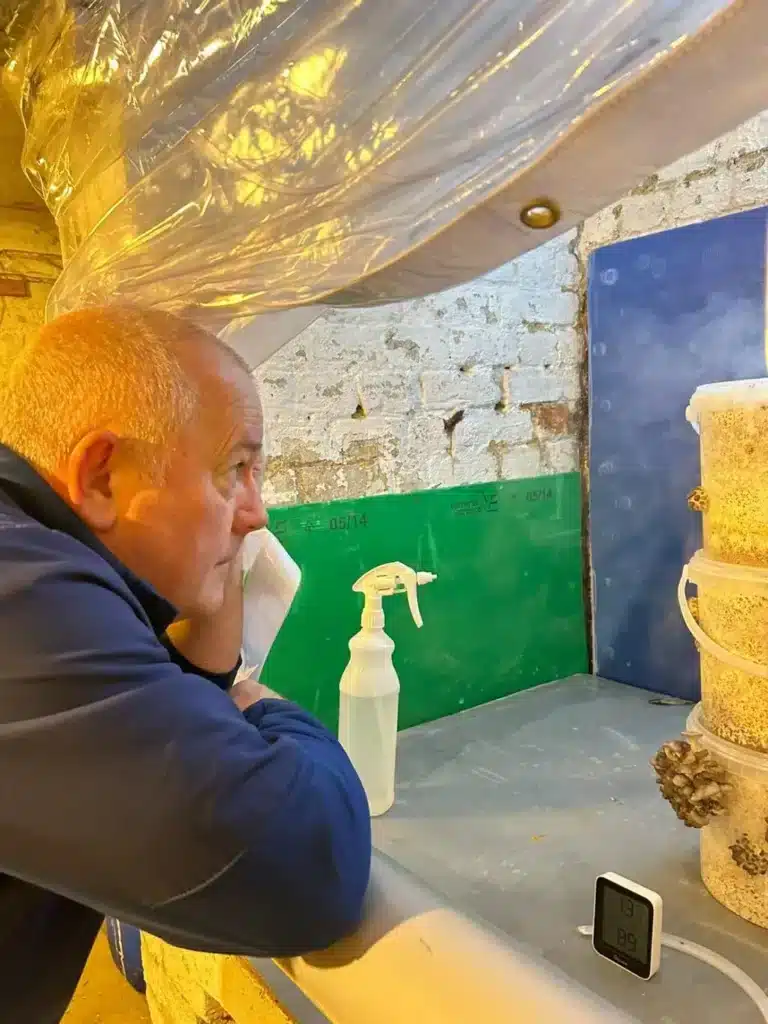
Spent grains, water and CO2 are all repurposed to grow mushrooms in the cellar at The Foundry. These delicious funghi are then used in the brewpub kitchens to create delectable dishes for discerning diners (and drinkers). In doing so, they’re re-using waste products, generating ingredients on site with zero food miles, and delivering fresh, tasty mushrooms for their dishes. It’s a real win-win-win all round. I wonder if they’ll do a mushroom flavoured cask one day…
Other distilleries doing good
Spirit of Birmingham Distillery use an iStill, which is more sustainable than traditional copper kettle designed stills due to being made of clad steel and operating a closed-loop system – allowing for the re-distillation of what would otherwise be waste liquid.
Grasemere Distillery power their stills on 100% renewable energy – repurposed cooking oils from their Taproom kitchen! Not whisky related, but they also make cider and then capture and re-use the CO2 from this process to gas their beers.
Finally, a more common term in food produce, Circumstance Distillery are certified organic by the Biodynamic Association (as well as Carbon Neutral by Carbon Neutral Britain). Using organic grains, grown in England, they not only reduce their ‘food miles’ but are promoting a healthier (and they would say tastier) method of agriculture.
In Conclusion
So, there you have it, a brief (or not) overview of sustainability activities from a range of English Distilleries (the list isn’t exhaustive, others are doing great things too, we’ve just focused on core & mostly differing areas above). I’m sure most would say they can – and will – do more to reduce their impact and waste as money, time and technology allow, but hopefully this helps you navigate your way towards more ethical, sustainable drinks if that’s something you consider when shopping for whisky. Of course casks from around the world, high energy & water requirements and (in some instances) peat usage all contribute to making whisky a far from perfect tipple in the first place, but as the above demonstrates, there’s plenty that can (and is) being done to ensure your next sip of craft English whisky is just that little bit better for the environment, society and community than the last.
We’ll drink to that!
*May 2025