One of the latest additions to the English Whisky scene, Yorkshire Distilling Co., has gone into administration and the distillery and all of its assets are currently for sale at auction. Similar stories are emerging from Ireland, America (and even France) and plenty of articles have been written about both the Scotch and Bourbon ‘lochs’ (for want of a better term) implying there’s far more whisky being made than there is demand to drink it. So how does this affect English whisky and is this the end of the beginning for our beloved category?
Yes… and no. Let’s dig a little deeper and find out.
The Yorkshire Conundrum
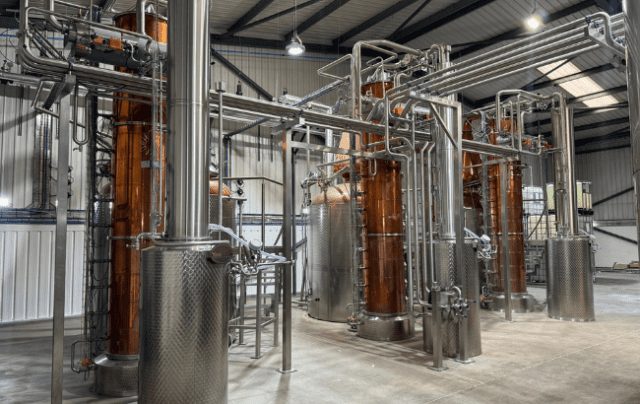
First things first. The Yorkshire Distilling Co. situation is pretty unique. The distillery was recently built to serve multiple customers as a contract distilling powerhouse – as well as lay down their own spirit to be released under their brand. The site was developed with a key customer in mind, who unfortunately had a key part of their funding withdrawn, leaving the distillery with little chance of filling that gap with new customers in the current climate.
They’ve also suffered because there is plenty of spare capacity within existing distilleries and we’ve even heard rumors of established brands looking to undertake contract distilling / new partnerships to fill the gaps in their own production schedules. But why do these gaps exist? A combination of both supply and demand side challenges, including:
- Increased costs of production (energy, raw materials, barrels etc.)
- Increased staffing costs (National Insurance rise, minimum wage rises etc.)
- Decreased demand (basically people are buying less whisky, or trading down to cheaper alternatives due to their own tightening finances)
- Increased competition (from other English distilleries, craft distilleries globally and aggressive pricing from the big players, slashing the cost of established brands to shore up their own falling sales at the detriment of independent brands)
- Continued Duty increases pushing up the cost of craft (high ABV) spirits in particular
So, overall, a pretty depressing outlook, no? Well, no. I’ve recently spoken to distilleries who are selling their whisky too fast and don’t have enough stock to keep up with demand and are actively laying down as much as they can to meet their future needs. There are also distilleries looking to export for the first time and plenty of retail partnerships seeing English whisky in supermarkets, premium retailers and other outlets across the UK and beyond. Plus, English whisky is getting a lot of column inches, winning a lot of awards and featuring in tasting line-ups, at festivals and events across the UK and abroad.
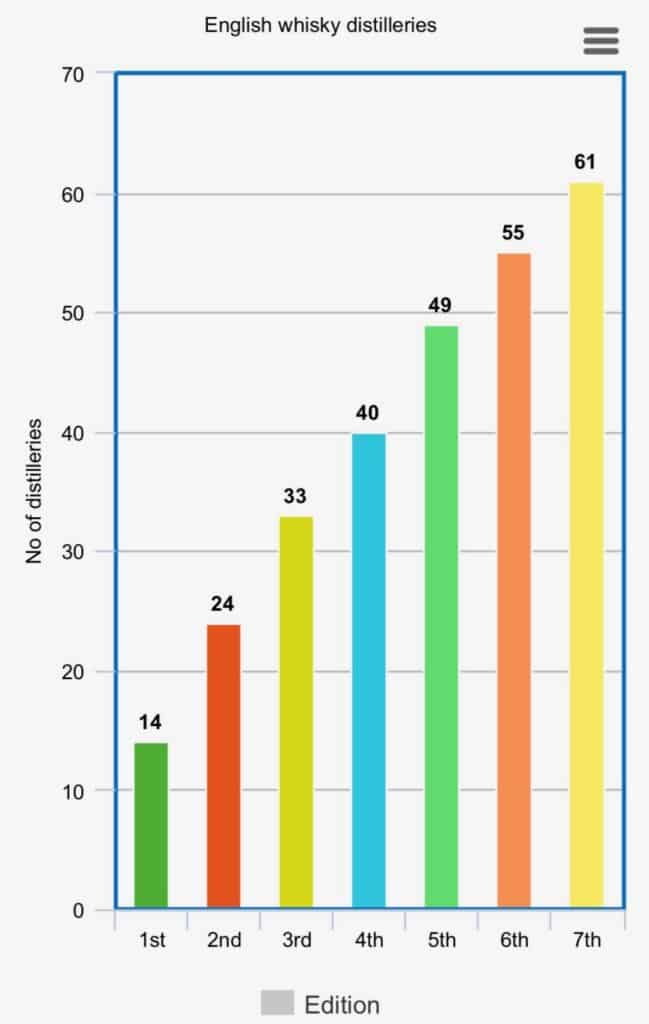
That’s not to say there aren’t challenges – or that some distilleries will suffer more than others – but with recent sell-out first releases there is clearly still an appetite for liquid from independent distilleries with the right narrative, good quality liquid and – importantly – an established community to sell to. It’s one thing to have an amazing product, but another to have people clamouring to buy it when you release and – especially in this climate – that work is equally as important as the production side of things and where many English brands can make a real difference.
It’s all about the money people
Making whisky is great, but selling it is the real challenge. Sure, you can aim to produce the world’s best liquid, but if no one knows about it (or you) then the real trouble starts. That’s why one of the best qualities of a new distillery is their ability to make great whisky AND build a community around their story and products. With 3 years before selling a drop of the good stuff, distilleries have time (whether they like it or not) to find ‘their people’ and start growing a network of supporters online and IRL who will advocate for them, line-up to buy their products and share the distillery story and drams with friends and strangers.
The concentric circles of a whisky network look something like this:
- Local supporters and friends
- English whisky lovers
- Wider whisky fans
- Influencers, reviewers and notable whisky personalities
- Local retailers / bars & partners (e.g. breweries, cideries etc.)
- Broader whisky drinkers / local produce fans
If you get this right as a brand you’re singing – then it really is down to the quality of your liquid to make sure these people stay for the ride and don’t get off at the first stop. Brands who’ve done a great job of building communities before their first releases have included Cooper King, West Midlands, Spirit of Birmingham, Retribution, Circumstance, White Peak and Bimber (to name a few) – though this isn’t the only route.
Dartmoor Whisky Distillery rely heavily on tourism in their idyllic location on the edge of Dartmoor in Devon (just off the main road further into Devon and Cornwall)l – plus they have strong ties with local bars, retailers and hotels so their product is available widely in the local vicinity – delivered by their highly branded vans which are often seen out and about making drop-offs.
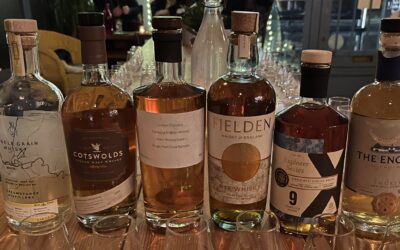
Fielden (the artist formerly known as The Oxford Artisan Distillery) are taking a different approach – engaging the farming community and conscious consumers with a narrative that’s far from distillery-focused, instead shifting people’s gaze back to the fields where the grains originate and building a narrative around heritage varieties and regenerative farming. It’s early days, but it seems to be working for them so far.
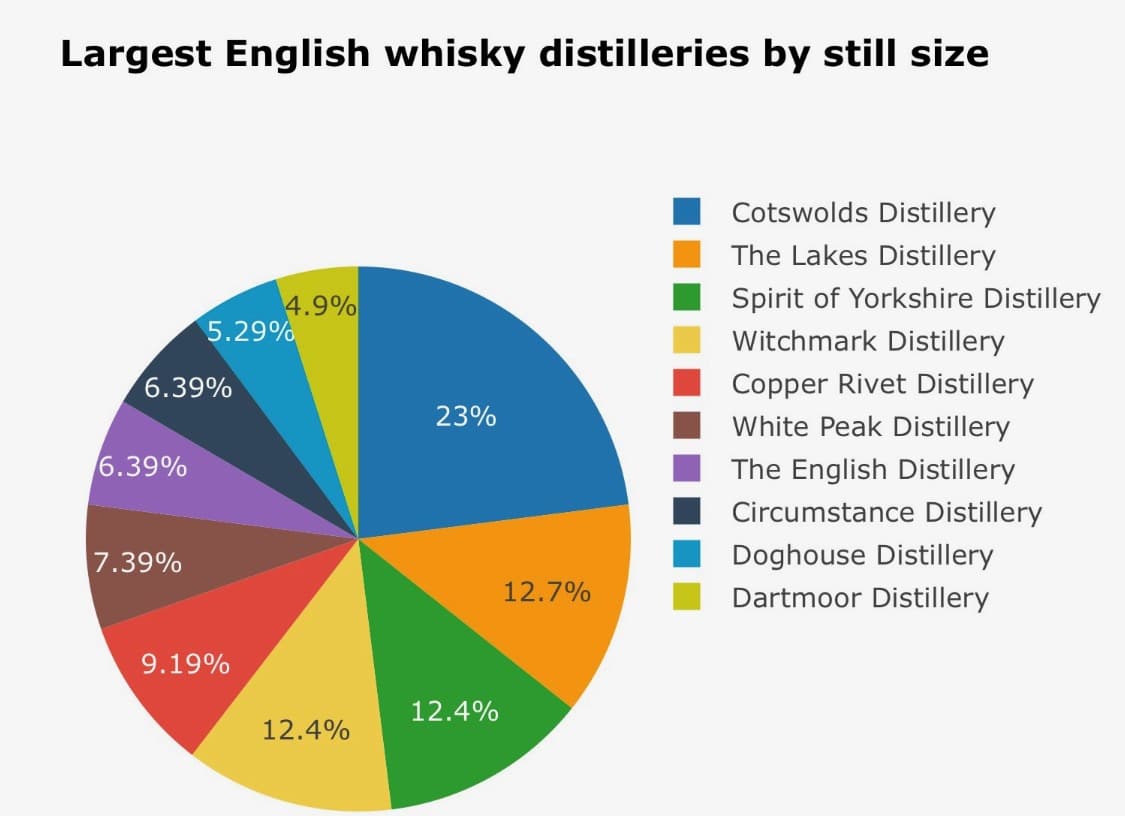
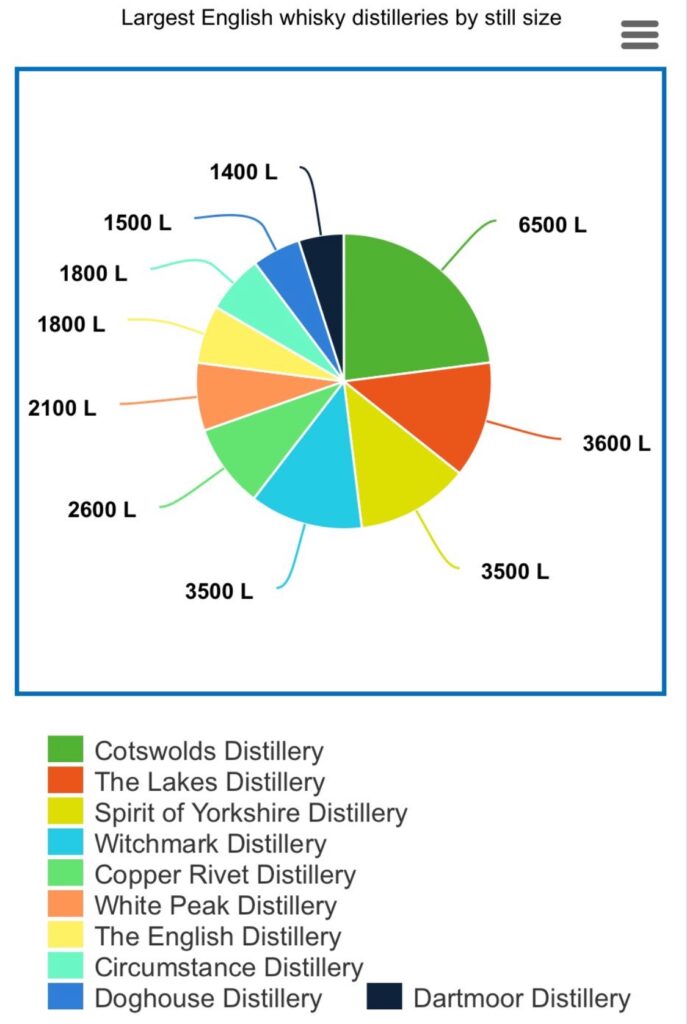
And some (like Fen spirits in Cambridgeshire) make so little each release sells out faster than a hare across a fenland field. On the other end, White Peak Distillery, one of the largest in England, are still selling out some SKUs and creating real buzz around limited releases like their Necessary Evil stout cask collaboration with local Thornbridge Brewery.
Not to forget the distilleries that haven’t released whisky yet but have started strong (Witchmark, Wylye & Ad Gefrin for example) or those yet to begin production but currently raising funds to start or finish significant build projects (e.g. Mercia Whisky & Princetown Distillers).
Interestingly, the Yorkshire Distilling Co. seemed totally focused on production as a contract distillery and hadn’t yet reached out to build a community for their own products (though we’ll never know how this would have developed over time now the project has stalled). The Instagram handle is now empty of content, but their website didn’t really speak to consumers at all, something that may have come back to bite them down the line had they released their own whisky in 3+ years time – maybe whoever buys it will continue the brand and change tack, only time (and money) will tell.
We can’t name each distillery and what they’re doing differently here, but that’s the thing about English whisky; there’s a huge variety of spirit type, scale, purpose and priorities amongst a still relatively small number of distilleries (at least those with actual whisky on the market already). Pricing is also important, with most English whisky available between £40-£100 (bar super limited single casks and special releases like The English Distillery’s first ever 18 year old at £3000 a bottle).
The Future
So from what I can see, although there are undoubtedly challenges, the English sector tends to be more versatile, flexible and resilient than other markets, mostly as the scale is smaller and there’s slightly less ‘weight’ dragging these brands down through the tougher times than many of their Scotch, Irish & Ameriocan counterparts (though there are similar craft distilleries in all three of those places too who are more akin to the scale of English brands).
There may be casualties along the way, and for that we would be incredibly sad, but with your ongoing support for English whisky brands and a strong network of English whisky advocates, drinkers and ambassadors sharing the best of the category with the world – the sector should be able to weather the storm and come out stronger in the future.
A future we, and they, hope will be brighter and more positive for all.
Let’s drink to that. Cheers
*Graphs and statistics courtesy of Michael Bridges on ‘X’ – reused with permission.